
"Start with a name."
It's such a simple concept, but Emma Powell, Architect of Retention-First Growth® and Co-founder of groa°, posted that on LinkedIn with a stat that may shock you:
Only 10.5% of luxury beauty and wellness brands even collect a first name at sign-up.
In her tests, personalised emails drove up to 113% higher CTR and a 23× lift in conversions versus generic sends. And that's just the first name (the most basic signal of respect).
So why does this happen? Because most brands overinvest in top-of-funnel and underinvest in retention—then wonder why CAC keeps climbing.
This case study is about what happens when the Retention-First Growth® methodology treats that "basic politeness" as the gateway to personalisation at scale, and uses Octane AI to make it operational.
The leak everyone ignores
Most brands overspend on acquisition and underfund retention. They chase ROAS while CLV, churn, and AOV quietly lag. Emails are "frozen"—static templates that can't adapt to what customers tell you. Brands collect a bunch of data, but it dies in a dashboard.
Emma's thesis: only a small number of brands run truly live emails globally —messages that change based on profile attributes and recent behaviour. The rest are stuck in "send the same thing to everyone."
This discovery led Emma to build the Retention-First Growth® methodology around a tight core stack—Shopify + Klaviyo + Octane AI—to capture rich zero-party data and turn it into dynamic, revenue-driving messaging.
The rule is simple: if a tool can't push clean, useful data into Klaviyo profiles and events, it doesn't make the stack.
The result is brands graduating from "leaky bucket" to top-decile performance, with email flows and campaigns that reflect what customers actually told them.
The Power of Two: Methodology Meets Platform
The integration between Retention-First Growth® and Octane AI works because each side brings something essential:
Retention-First Growth®: The methodology—lifecycle mapping across five orbits, and live email architecture.
Octane AI: The platform that captures intent—cleanly, consistently, and actionably—and pipes it into Klaviyo for real personalisation.
Together, they bridge the industry's biggest gap: turning quiz data into behaviour-driven revenue.
"Octane gives us the zero-party data we need to personalise like humans. Retention-First Growth® provides the architecture. Octane gives us the fuel."
— Emma Powell, Architect of Retention-First Growth® | Co-founder, groa°.
How the system actually works
The methodology doesn't build quizzes to be cute; every question is reverse-engineered from lifecycle outcomes: What stops this buyer from coming back in 30 days? What pain point unlocks the second purchase? That's the script for Octane.
The Retention-First Growth® methodology builds a closed loop between Octane AI, Klaviyo, and Shopify that continuously learns from customer behaviour and adapts every touchpoint.
1. Start with the Basics — Then Build the Flywheel
Before any quiz, segmentation, or AI automation happens, the methodology fixes the foundations that most brands skip:
- Collecting first names at every entry point — popups, quizzes, post-purchase forms, loyalty signups.
- Creating a First-Name Health Index, tracking what percentage of customers can be personally addressed.
- Designing one master "live" email template in Klaviyo with dynamic sections for personalisation: product recommendations, skin concerns, loyalty status, and quiz results.
The goal is to ensure every message feels human before it feels automated. Once that layer is set, Octane AI can feed in real insights to make the personalisation truly intelligent.
"If you don't even know your customer's name, you're not ready for personalisation. One of the first health checks we run on a brand is simple: do they have the basics in place to speak to people personally?"
— Emma Powell, Architect of Retention-First Growth® | Co-founder, groa°
2. Design Quizzes Backwards — From Lifecycle Gaps, Not Curiosity
Most brands start a quiz with, "What do we want to ask?" The Retention-First Growth® methodology starts with, "Why aren't people coming back to buy again?"
Every question is reverse-engineered from key lifecycle metrics: repurchase window, AOV drop-off, and churn reasons.
In beauty and wellness, that might mean asking about environment (city air vs. rural humidity), routine, or pain points like pigmentation or sensitivity.
Every question must create a usable data point that connects to a Klaviyo attribute—no vanity data.
This approach ensures the quiz converts at the front end, but more importantly, it educates the CRM.
"A quiz should read like a conversation that gives you something to act on the minute it ends. If a question doesn't change a future email, we cut it."
— Emma Powell
3. Automate the Obvious, Personalise the Rest
The methodology builds what Emma calls the "minimum viable personalisation system." You don't need 12 flows — you need the right ones that make data move:
Quiz Results flow – Capture and Activation
Triggers immediately after completion and uses the customer's name and quiz outcome to deliver a clear next step in the journey.
Reminder flow – Activation to Value Core
Follows up with engaged quiz-takers to nudge them to use their code or finish checkout while intent is still high.
"Didn't use code" segment – Value Protection
Identifies shoppers who engaged but did not convert and gives them tailored content in ongoing business-as-usual campaigns to recover missed revenue.
Lifecycle segments – Loyalty and Reactivation
Turn key quiz attributes (for example, concern, environment, routine) into always-on segments that automatically shape regular campaigns and longer-term reactivation journeys.
Every one of these flows connects back to that one live template, meaning updates, creative swaps, and A/B tests happen in one place, not twelve.
4. Run the "Top Signals" Loop Every Month
Once the system runs for a few weeks, the methodology turns the insights into monthly "Top Signals Reports". These reports:
- Pull the top 3–5 quiz responses from the last 30 days (e.g., "pigmentation," "hydration," "dryness").
- Build one campaign using dynamic blocks that automatically match each segment's main concern.
- Use the report to plan next month's campaigns, onsite content, and even paid ad angles.
This process closes the feedback loop between what customers say and what the brand sends.
5. Keep the Stack Clean and Connected
The Retention-First Growth® rule is simple: if a tool can't feed actionable data into Klaviyo, it doesn't make the cut.
- Reviews, loyalty, and subscription platforms are chosen solely based on their data-integration quality.
- Any new app gets audited for speed, duplication, and data flow before adoption.
- For messy Shopify setups, the methodology uses a hybrid build — part AI, part manual mapping — to clean attributes and ensure quizzes recommend correctly.
This minimalist stack avoids "shiny object syndrome" and keeps the ecosystem maintainable for the long term.
Proof in action: TLC Sport
TLC Sport is a UK-based women's activewear company founded in 1984 that sells technically crafted, sustainable, and inclusive sportswear. Founded by Sara Hanna to build confidence in women through fitness apparel.
TLC Sport had a loyal community, but no system to understand why customers bought or how to speak to them differently the next time around.
By introducing an Octane AI quiz designed around real customer intent—fit, compression, activity, and style preferences—the Retention-First Growth® methodology turned that missing context into a performance engine that touched every channel.
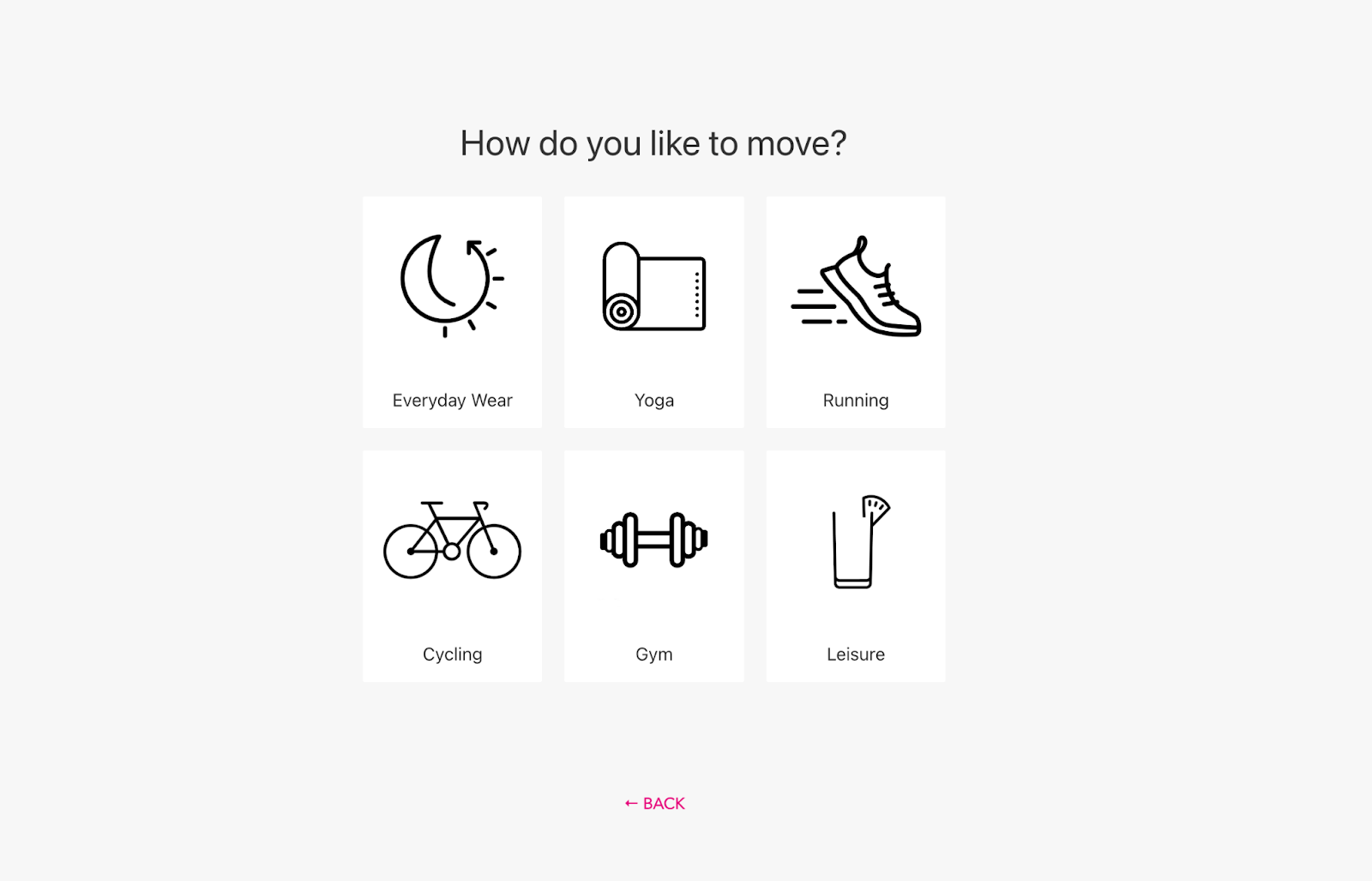
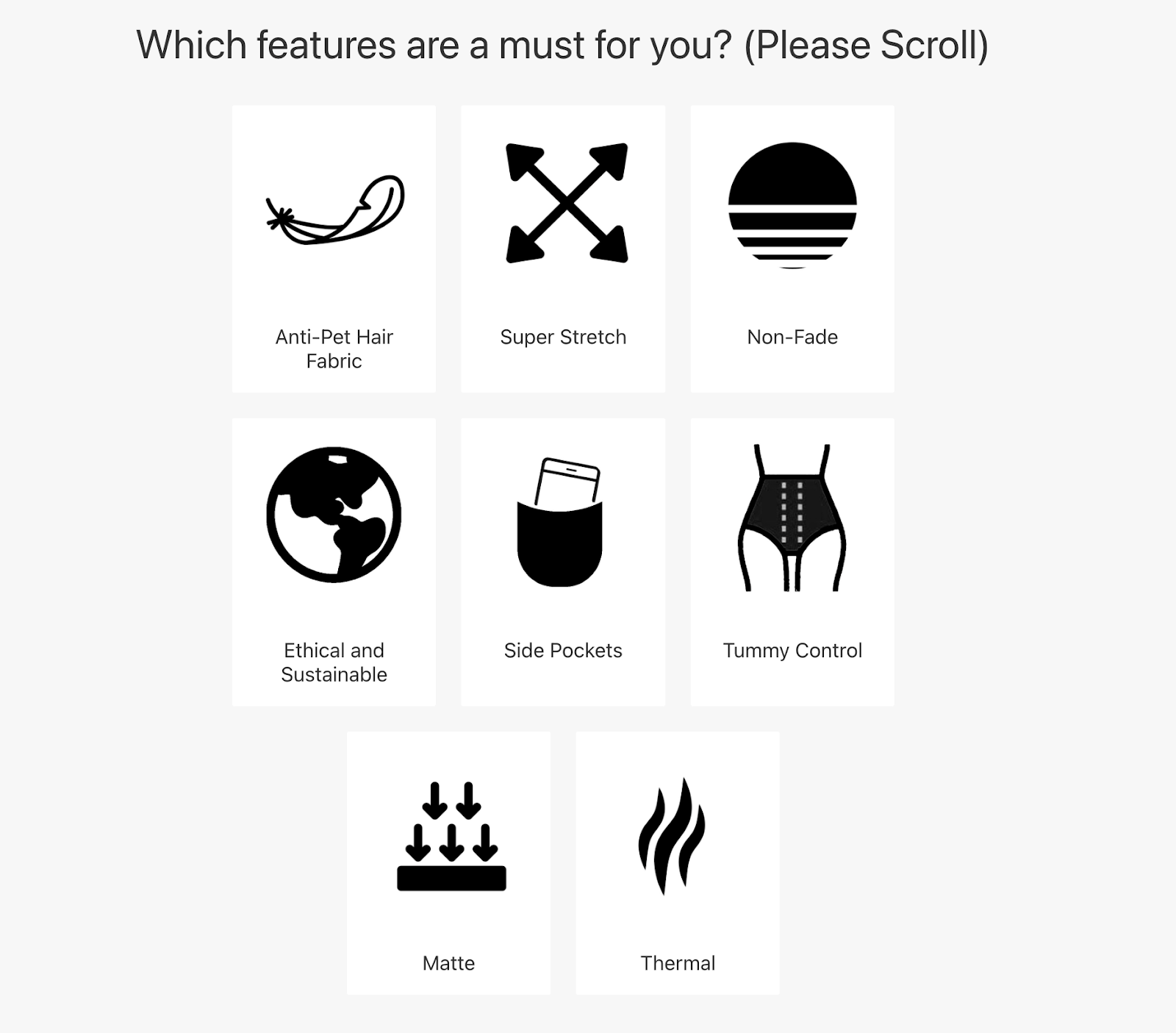
"We wanted the quiz to feel like a personal stylist, not a survey. Every answer needed to drive something tangible—segmentation, messaging, or a trigger in Klaviyo."
— Emma Powell, Architect of Retention-First Growth® | Co-founder, groa°
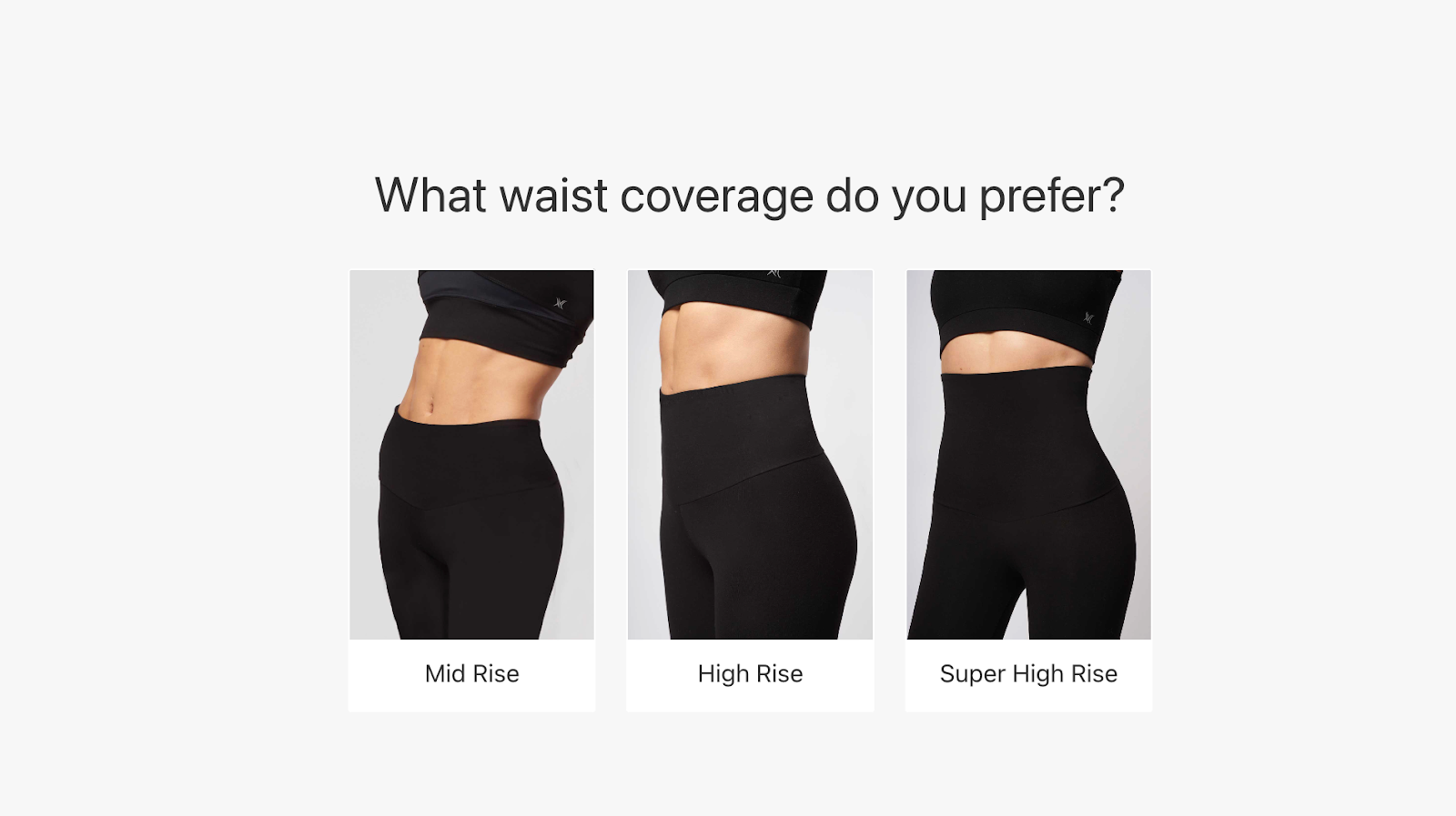
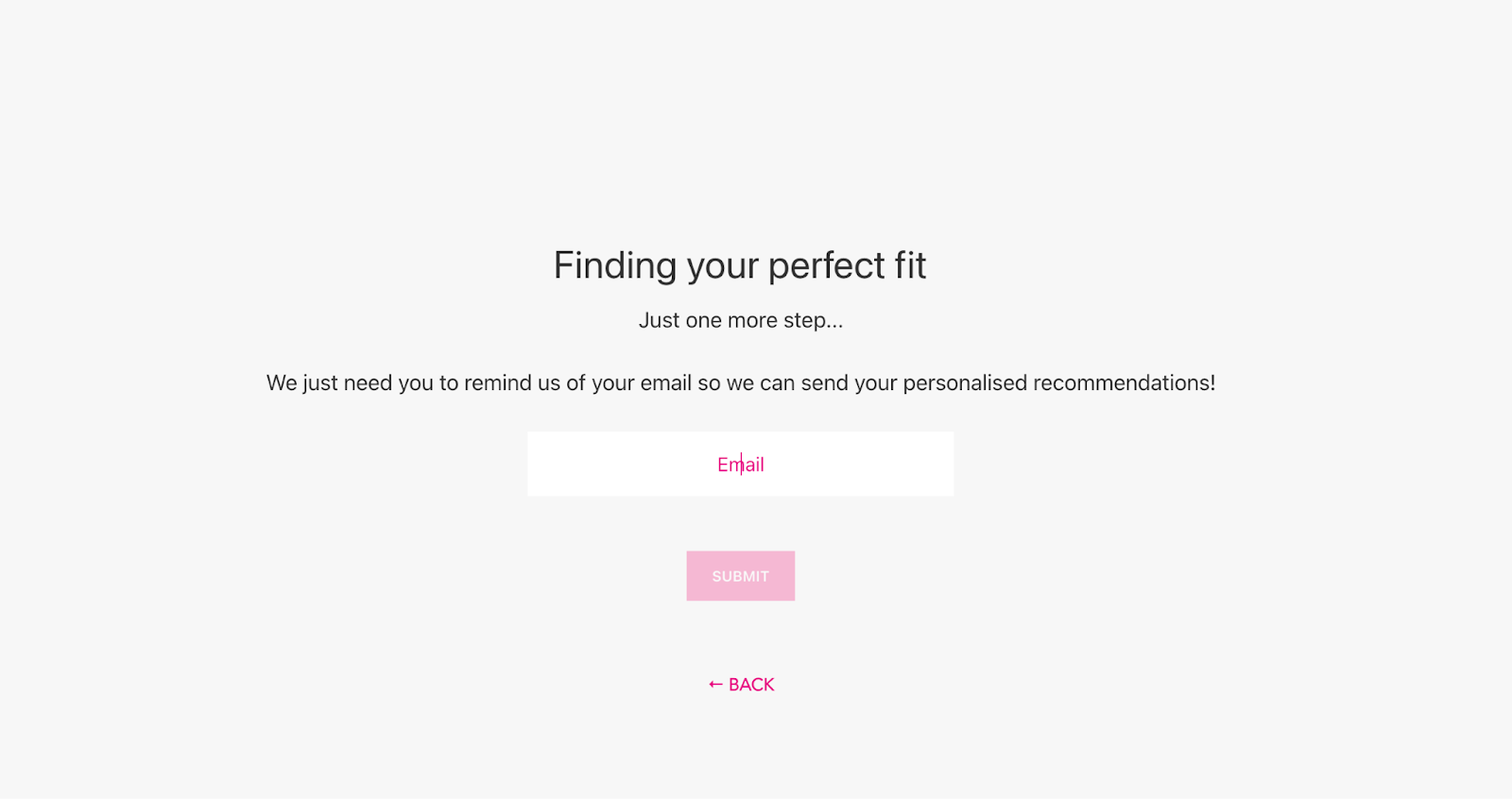
Here's what happened once the Octane AI data loop was connected:
- 88% quiz-completion rate: shoppers engaged deeply with questions tailored to their goals.
- Drop-off under 3%: the flow felt seamless, not like a form.
- Consistent 15% conversion rate:the quiz didn't just educate; it converted.
- Placed-order rate: 1.24% within quiz flows.
- Revenue per recipient outperformed non-segmented sends and exceeded DTC benchmarks.
Every quiz completion populated zero-party data on fit, compression needs, usage (running vs. leisure), and preferred styles. That information instantly powered:
- Real-time segments inside Klaviyo for triggered flows and dynamic campaigns.
- Lifecycle automations that recognised each customer's intent and buying window.
- Reactivation sequences that referenced past choices to bring lapsed shoppers back.
TLC Sport's full-funnel adoption of Octane's quiz data embodies the Retention-First Growth® methodology: personalisation that scales, powered by collaboration between the methodology and the Octane AI platform.
Why Retention-First Systems and Octane Win Together
For Octane AI, integrating with retention-first systems unlocks the platform's full potential, turning quizzes from a top-of-funnel tool into a revenue engine. The insights you learn from a quiz can be and should be used across all parts of your funnel.
"When retention-first systems and Octane AI work hand in hand, brands finally see the downstream effect—personalisation that scales, data that fuels every channel, and revenue that compounds."
— Aoife Teague, Director of Partnerships, Octane AI
Octane AI delivers for brands. If you're interested to learn more, book a partner strategy call with us here.
What's Next: The Book and the Retention-First Future
In December, Emma publishes her book on Retention-First Growth®—a blueprint for brands stuck in the endless cycle of acquisition obsession. The book breaks down the methodology behind this work with Octane AI in detail.
groa° is the agentic operating system that operationalises the Retention-First Growth® methodology, unifying data across Shopify, Klaviyo, and Octane AI into a single retention engine.
Get your copy of Emma's book here.